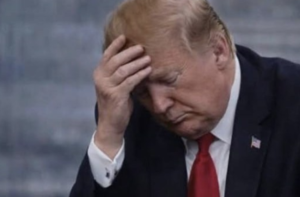
The quiet morning in Washington, D.C. was remarkable for its lack of fanfare, a stark contrast to the city’s usual bustle. Motorcades, press briefings, and shouted questions typically fill the air, showcasing the city’s dynamic nature. However, in that brief interval, the city seemed to pause, and Donald Trump stood at its center, confronting a moment that observers would later characterize as subtly significant.
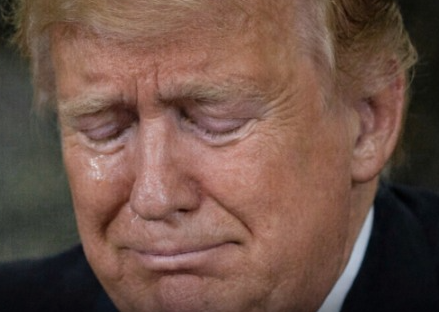
The scene unfolded without the customary trappings of rallies, amplified applause, or defiant speeches, replaced instead by an atmosphere of restraint. The former president’s presence was marked by a visible weight, a sense of consequence that was palpable yet unostentatious. Observers noted a more measured stillness, one that was neither an admission nor a theatrical gesture, but a moment that lingered precisely because of its subtlety. As the former president stood in the aftermath of power, the contrast with his past persona was striking, with history now evaluating his decisions rather than anticipating them. The future had narrowed into the present, and accountability was no longer a distant prospect.
What transpired over thirty minutes was a genuine human experience rather than a staged political spectacle. Divested of slogans and orchestrated settings, Trump appeared more as an individual confronting the diminishing chasm between his historical footprint and the impending judgment. The essence of leadership extends far beyond the confines of office, echoing through the fabric of institutions, courtrooms, public consciousness, and the anecdotes a nation recounts about its past.