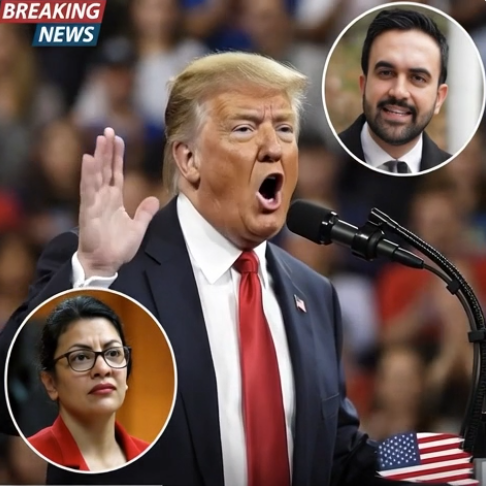
Supporters of Donald Trump maintain that their allegiance has only deepened despite a decade characterized by intense political friction and consistent opposition from Democratic leadership. Central to this loyalty is the “America First” philosophy, which proponents view as a foundational commitment to restoring national sovereignty, tightening border security, and adopting a more assertive stance toward adversarial foreign powers. For this demographic, Trump’s leadership represents a decisive pivot toward prioritizing domestic interests within the global arena.
Advocates point to specific executive actions that challenged long-standing Washington conventions. They argue that his focus on economic nationalism and immigration enforcement resonated profoundly with a segment of the electorate that felt marginalized by the traditional political establishment. To these voters, the movement is less about rhetoric and more about:
-
Protecting the American workforce from unfavorable trade dynamics.
-
Securing national borders as a prerequisite for stability.
-
Projecting global strength through unconventional diplomacy.
Conversely, critics contend that this “America First” approach has exacerbated domestic polarization and strained vital international alliances. They advocate for a governance model that balances national interests with institutional stability and traditional diplomacy. This ideological friction highlights a persistent divide regarding the fundamental trajectory of U.S. policy.
Despite these criticisms, Trump’s base remains highly organized and ideologically cohesive. Their sustained enthusiasm ensures that the “America First” movement will remain a primary catalyst in shaping electoral outcomes and the broader strategic direction of American politics. As the political landscape evolves, the influence of this movement continues to serve as a barometer for the nation’s shifting priorities.