Supreme Court Breaks Trump’s Emergency Docket Streak on Immigration Judges’ Free Speech
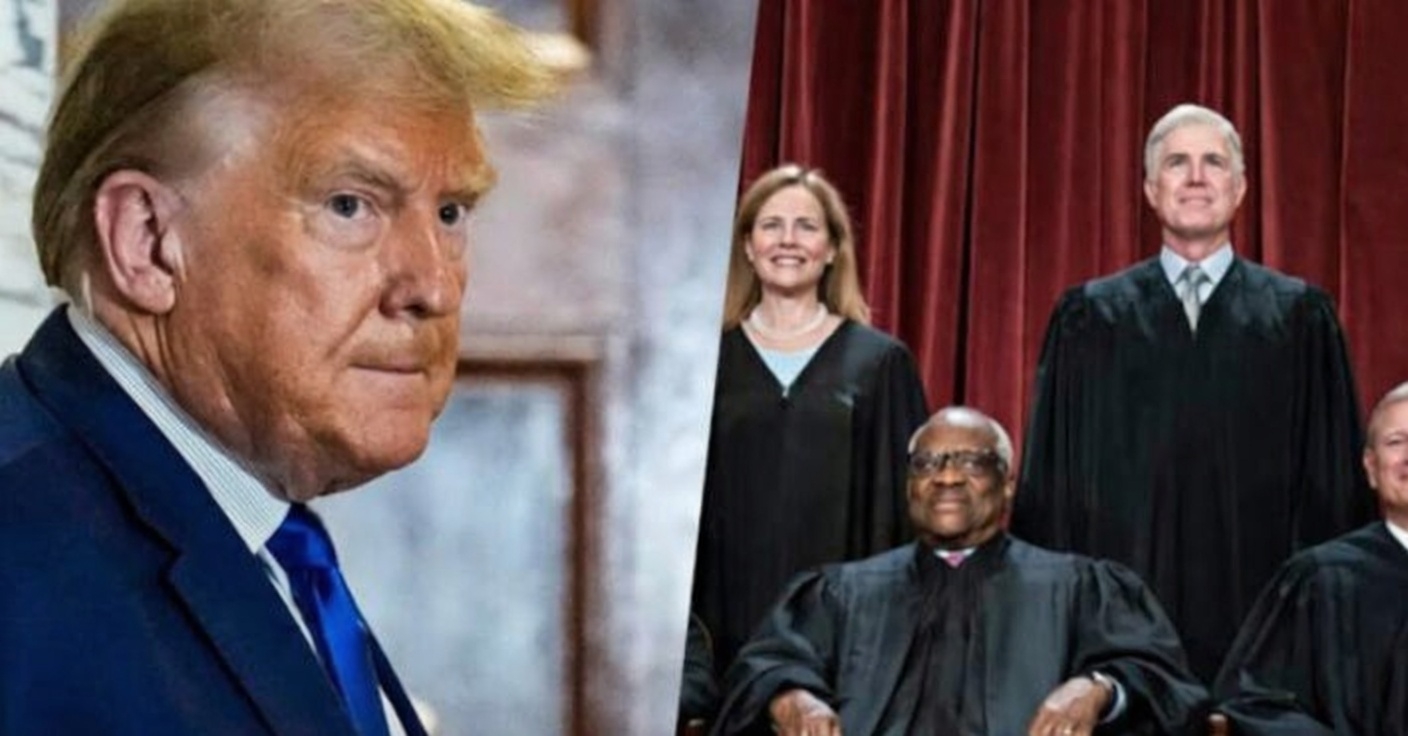
The Trump administration’s recent winning streak on the Supreme Court’s emergency docket concluded with the high court’s refusal to immediately intervene in a dispute over speech restrictions for immigration judges. This denial marks the administration’s first such loss since spring. The brief order stated the “Government has not demonstrated that it will suffer irreparable harm without a stay,” though it allowed for the government to potentially retry the case. This decision is a notable setback for President Trump’s administration, which has had considerable success across its 32 emergency applications filed since he took office.
At the core of the legal challenge are rules requiring immigration judges, as executive branch employees, to obtain permission before speaking publicly on topics related to their official duties. The National Association of Immigration Judges (NAIJ) argues this policy violates the First Amendment. The Trump administration had sought Supreme Court intervention to block a lower court order allowing the lawsuit to proceed before a federal district judge. The administration contends that such disputes involving federal employees should first be heard by the Merit Systems Protection Board (MSPB), a specialized tribunal.
Solicitor General D. John Sauer warned the justices that the lower court’s decision would “indefinitely thwart the MSPB.” However, the lower court justified allowing the lawsuit by noting President Trump’s dismissal of MSPB board members, which left the tribunal without a quorum and raised “serious questions” about its functionality. Ramya Krishnan, senior staff attorney at the Knight First Amendment Institute, representing the NAIJ, praised the Supreme Court’s decision and urged rejection of any future “cert petition.” Krishnan stressed that the restrictions on immigration judges’ free speech rights are “unconstitutional” and “intolerable.”
While this specific denial is a rare loss on the emergency docket, the Supreme Court has largely sided with the Trump administration in other urgent cases. The administration attributes its frequent emergency applications to federal district judges allegedly overstepping their authority to impede its agenda, a claim often disputed. The court’s recent ruling upheld a lower court’s decision to remand the case for further investigation, declining to temporarily halt the legal challenge. Nevertheless, the justices indicated the government could re-approach the court if the trial court advances with discovery before the Supreme Court decides whether to fully review the case on its normal docket.