Trump Floats ‘Friendly Takeover’ of Cuba Amidst High-Level Talks
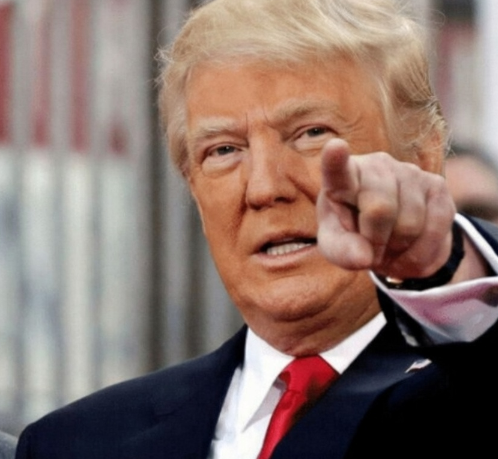
President Donald Trump recently floated the possibility of a “friendly takeover” of Cuba, confirming high-level discussions with the island nation. Speaking outside the White House, Trump depicted Cuba as a “failed nation” desperately needing U.S. help, adding that Secretary of State Marco Rubio was involved in the conversations. The precise meaning of a “friendly takeover” remained unclarified by the administration. These comments followed reports from Havana of a violent encounter off Cuba‘s north coast, where an armed Florida-registered speedboat reportedly attacked soldiers, causing casualties. U.S. agencies, including the Department of Homeland Security and the U.S. Coast Guard, are investigating this incident.
Cuba has been central to Trump‘s recent foreign policy focus, particularly after the U.S.-backed ousting of Venezuelan President Nicolás Maduro, a close Havana ally. Trump has previously suggested that Cuba‘s struggling economy could collapse without Venezuelan oil, potentially obviating military intervention. He also hinted at positive outcomes for the Cuban exile community in the United States. Historically, the U.S. has maintained a strict trade embargo on Cuba since 1962. More recently, Trump signed an executive order imposing tariffs on countries supplying oil to Cuba, a move that threatens to exacerbate the island’s fragile energy infrastructure, despite some limited sales to Cuban interests being indicated.
Responding to these developments, Carlos Fernández de Cossío, Cuba’s deputy foreign minister, stated that the U.S. fuel embargo remains in full effect, constituting collective punishment. He dismissed the notion that conditional sales to the private sector would alleviate suffering. Meanwhile, over 40 U.S. civil society organizations petitioned Congress, urging a reversal of the Trump administration’s aggressive policies towards Cuba. Their letter warned that further restrictions on oil shipments risk a severe humanitarian crisis, arguing such measures amount to “collective punishment” and a “grave violation of international humanitarian law.”