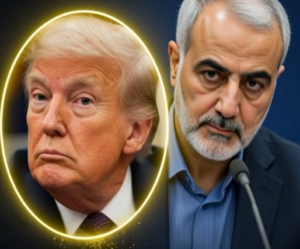
The crisis between Iran, the United States, and Israel escalated dramatically, leading to a heated diplomatic clash at the United Nations Security Council. On February 28, 2026, U.S. and Israeli forces launched coordinated air and missile attacks targeting Iranian military infrastructure and leadership compounds in Tehran and other cities. Crucially, Iran’s Supreme Leader, Ayatollah Ali Khamenei, was killed in these strikes, a development widely reported. Menachem Milgrom, an expert, called it “the most ambitious attack on Iranian targets in decades,” underscoring its scale and impact on Iran’s leadership.
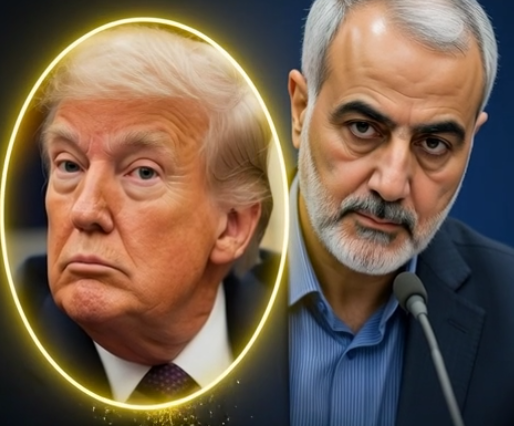
The U.S. government dubbed its involvement “Operation Epic Fury,” reflecting militaristic objectives. President Donald Trump asserted the strikes aimed to prevent Iran from acquiring nuclear weapons and eliminate missile threats. A White House statement specified goals: destroy Iran’s “ballistic missile arsenal, degrade its proxy terror networks, and cripple its naval forces.” Trump vowed Iran “will never have a nuclear weapon,” threatening further action if hostilities continued.
In swift retaliation, Iran launched a “first wave of extensive missile and drone attacks” against Israeli territory and U.S. military bases in the Middle East. Iranian state media justified these as defensive measures under United Nations Charter Article 51. Leaders characterized their response as one of the most violent counteractions in national history, targeting “occupied territories” and “American terrorist bases.” Mohammad Bagher Qalibaf, Speaker of Iran’s Parliament, condemned U.S. and Israeli leaders as “filthy criminals” for violating Iran’s “red line,” promising further retaliation.
At an emergency UN Security Council session, Iran’s Ambassador, Amir Saeid Iravani, vehemently condemned the strikes as violations of international law and the United Nations Charter, Article 2. He labeled them “unprovoked and premeditated aggression,” dismissing claims of self-defence as “unfounded legally, morally, and politically,” and even calling the assault a “war crime and a crime against humanity.” Iravani pointedly warned the U.S. delegate to “be polite,” highlighting the diplomatic tension.
U.S. Ambassador Mike Waltz directly refuted Iran’s accusations, portraying the Iranian regime as a long-standing threat responsible for decades of violence against Americans and regional destabilization. Waltz justified the strikes as defensive, citing Iran’s history of regional conflict, support for proxy militias, and attacks on U.S. forces. He further linked Tehran’s domestic repression, accusing its leadership of killing thousands of its own people, to its aggressive foreign policy, thus reinforcing the U.S. rationale for its actions.