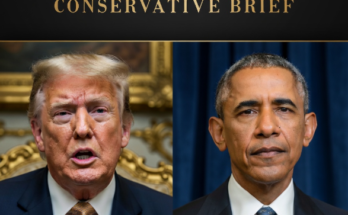

The Quiet Reckoning: Trump Confronts His Legacy
A quiet, almost uncharacteristic morning settled over Washington, D.C., marking a distinct departure from its usual political spectacle. Absent were the typical motorcades, press briefings, and boisterous rallies that define the city’s dynamic pace. Instead, a profound stillness enveloped the scene, with former President Donald Trump at its epicenter. This moment, described as subtly significant, unfolded without the customary fanfare or defiant speeches, creating an atmosphere of palpable restraint. Observers noted a visible weight to Trump’s presence, a consequence that was felt but not overtly displayed. It was a measured stillness, signaling a stark contrast to his past persona, where history now evaluates his decisions rather than merely anticipating them. The future, for a brief period, had converged into the present, making accountability an immediate and inescapable reality.
What transpired over thirty minutes was less a staged political event and more a genuine human experience. Divested of slogans and orchestrated settings, Trump appeared as an individual grappling with the diminishing space between his historical footprint and an impending judgment. This subtle but impactful encounter highlighted a critical shift: from the exercise of power to a profound reckoning with its aftermath. The text underscores that the essence of leadership extends far beyond the confines of office, reverberating through the fabric of institutions, the impartiality of courtrooms, the expanse of public consciousness, and the enduring narratives a nation constructs about its past. This unique interlude offered a powerful reflection on legacy, consequence, and the enduring weight of leadership beyond power’s immediate grasp.