Pipe Bomb Suspect Arrested Amidst Lingering January 6 Investigation Controversies
The FBI has finally apprehended a suspect in connection with the “viable” pipe bombs placed near the Republican and Democratic party headquarters in Washington, D.C., on the eve of the 2021 Capitol riot. This significant breakthrough concludes nearly five years of an intense, previously unsolved investigation into devices capable of causing serious harm. The suspect was captured on surveillance footage wearing a gray hooded sweatshirt, face mask, glasses, and gloves, carrying the explosives in a backpack. Discovered on January 6, the devices were found first near the Republican National Committee (RNC), then the Democratic National Committee (DNC), notably while then-Vice President-elect Kamala Harris was inside.
The prolonged nature of the investigation had drawn considerable criticism, including from a Republican-led congressional panel in January, questioning the FBI’s pace. Despite this, the bureau dedicated vast resources: over 1,000 interviews, 39,000 video files reviewed, 600 tips investigated, and 1,200 locations visited. Conservative commentator Dan Bongino, incorrectly identified in the source as an “FBI Deputy Director,” had previously alleged a “massive cover-up” regarding the bomber’s identity, speculating about an “anti-Trump insider” or “inside job.”
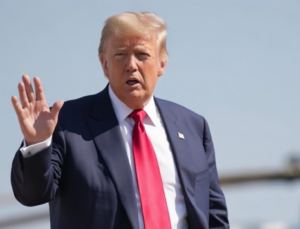
Further complicating the post-January 6 investigative landscape, the text references the controversial Arctic Frost probe. This separate investigation, initiated by an FBI memo and later overseen by Special Counsel Jack Smith, targeted President Trump and his allies regarding 2020 election activities. Critics, including former prosecutors and FBI agents, argue Arctic Frost lacked substantial evidence and clear legal justification, particularly concerning the treatment of alternate elector efforts as a potential criminal conspiracy. Concerns about bias were raised as the memo reportedly originated under an FBI supervisor known for anti-Trump sentiments, diverging from historical precedents.