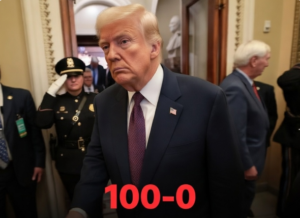
The One Big Beautiful Bill Act is a sweeping federal tax reform measure spanning more than 1,200 pages. It represents a major effort to reshape the American tax system by permanently extending several prior tax cuts and introducing new targeted tax relief provisions. Supporters describe the law as a landmark achievement that delivers immediate financial relief to working families, seniors, and small business owners. Critics, however, warn that it could increase the federal deficit by as much as $3.4 trillion over the next decade, raising concerns about long-term fiscal sustainability.
At the core of the legislation is the permanent extension of previously enacted marginal income tax rate reductions. By locking in these lower rates, the law allows individuals to retain a greater share of their annual earnings. Proponents argue that this predictability provides stability for households and encourages economic activity by increasing disposable income.
One of the most notable and controversial provisions is the permanent exemption of tips from federal income tax. Millions of service industry workers—including restaurant servers, bartenders, hotel staff, rideshare drivers, and delivery workers—are directly affected. Although tips must still be reported for recordkeeping purposes, they are no longer subject to federal income taxation. This change has resulted in immediate increases in take-home pay for many workers who rely heavily on gratuities as a primary source of income.
The law also codifies tax-free overtime pay, ensuring that workers who log extra hours do not face additional federal income tax on that compensation. Supporters argue that this rewards hard work and provides tangible relief to hourly employees. In addition, expanded deductions for seniors allow retirees to claim greater tax relief for medical expenses, property taxes, and certain charitable contributions. These measures aim to ease financial pressures on individuals living on fixed incomes.
Advocates contend that the combined effect of these provisions is a multi-layered approach to tax relief. By increasing disposable income, the legislation is intended to stimulate consumer spending, boost local businesses, and promote broader economic growth. Early reports suggest that many hospitality and tourism workers are already experiencing noticeable improvements in their net income, while some small business owners report improved employee morale and reduced turnover.
Despite these benefits, the bill has sparked significant criticism. Economists and policy analysts caution that the projected $3.4 trillion increase in the federal deficit could have long-term consequences, including higher interest rates, increased federal borrowing, and potential strain on major government programs such as Social Security and Medicare. Opponents argue that the legislation prioritizes short-term relief over long-term fiscal responsibility.
Another key concern involves fairness and equity. While tipped workers and those earning overtime benefit directly from the new exemptions, salaried employees in sectors such as education, manufacturing, and technology may see little to no direct financial gain. Critics suggest that this selective approach could widen income disparities. There are also concerns that employers may restructure compensation models to take advantage of tax-free tip provisions, potentially increasing income instability for workers.
Politically, the law reflects a philosophy emphasizing individual financial empowerment rather than expanding government assistance programs. Supporters argue that allowing Americans to keep more of their earnings strengthens personal responsibility and economic freedom. Critics counter that without safeguards, the benefits may encourage short-term consumption rather than long-term financial security.
Ultimately, the One Big Beautiful Bill Act stands as both a major legislative achievement and a focal point for national debate. Its long-term legacy will depend on whether the increased disposable income leads to sustained economic growth that offsets deficit expansion, or whether the projected fiscal impact necessitates future policy adjustments. As economists continue to monitor consumer spending, income distribution, and federal revenue trends, the law remains a defining example of the ongoing tension between immediate tax relief and long-term fiscal sustainability.