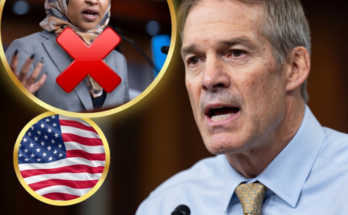
Rep. Ilhan Omar is facing criticism following remarks on social media in which she asserted that the United States has a pattern of targeting Muslim-majority countries during the Islamic holy month of Ramadan.
In a post on X, the Minnesota Democrat referenced the 2003 U.S. invasion of Iraq and current tensions involving Iran. “Iraq was attacked by the U.S. during Ramadan and it is sickening to know that the U.S. is again going to attack Iran during Ramadan,” Omar wrote as speculation grew about a potential American military strike against Tehran.
She added, “The U.S. apparently loves to strike Muslim countries during Ramadan and I am convinced it isn’t what these countries have done to violate international law but about who they worship.”
The comments prompted immediate backlash from critics who argue that such statements, made during a period of heightened geopolitical tension, could be used by foreign adversaries as propaganda. Some opponents contend that portraying U.S. military actions as religiously motivated risks reinforcing narratives promoted by governments hostile to Washington, particularly amid the long-standing rivalry between the United States and Iran.
Several critics also raised broader concerns about the impact of such rhetoric when American personnel and interests could face retaliation during an ongoing military standoff. They argue that statements by elected officials carry additional weight internationally and may influence diplomatic dynamics during sensitive moments.
The controversy has also prompted discussion about the constitutional boundaries of political speech. Under the U.S. Constitution, treason is narrowly defined as either levying war against the United States or adhering to its enemies by giving them “aid and comfort.” Legal scholars have historically emphasized that this standard requires clear intent and tangible support for an enemy, not simply controversial or critical speech.
Supporters of Omar maintain that her remarks fall squarely within the protections of the First Amendment. They argue that members of Congress, like other citizens, have the right to criticize U.S. foreign policy and question military decisions without facing accusations of disloyalty.
The dispute highlights an enduring tension in American politics between robust political expression and concerns about how such rhetoric may resonate during periods of international conflict.