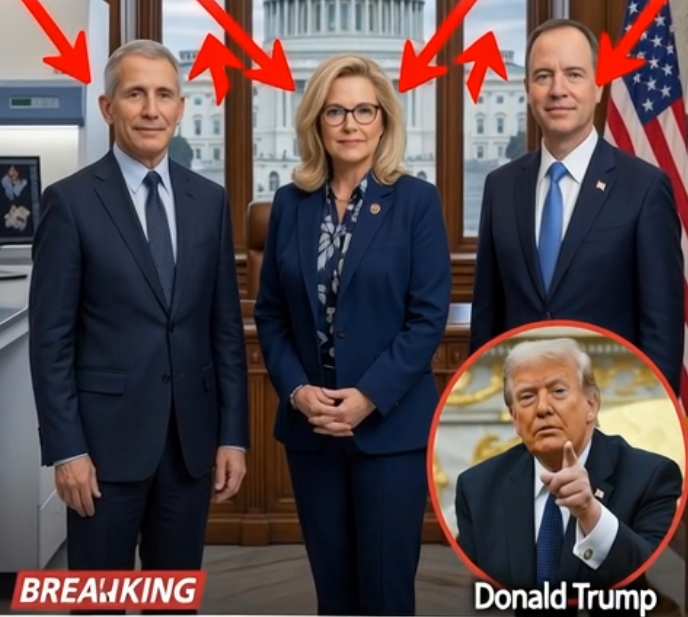
A renewed political and legal debate has emerged following comments from former U.S. President Donald Trump suggesting that certain last-minute pardons issued during the closing days of the administration of Joe Biden could face scrutiny. The pardons reportedly involved several high-profile individuals connected to major national controversies, including decisions made during the COVID-19 pandemic, investigations related to the January 6 United States Capitol attack, and disputes concerning intelligence matters.
At the center of the discussion is whether pardons signed using an automated signature device—commonly referred to as an “autopenn”—could be legally questioned if doubts arise regarding presidential intent or direct authorization. While the use of such devices is not new in government operations, critics argue that the circumstances surrounding rapid, end-of-term pardons could invite closer examination.
Supporters of reviewing the issue contend that presidential pardons are traditionally understood to represent clear and deliberate approval from the president. Some legal analysts suggest that large numbers of pardons issued quickly at the end of a presidency—especially if processed without detailed individual review—could raise constitutional questions. If courts were asked to evaluate such a situation, the central legal issue would likely focus on whether the president personally authorized the pardons and whether the process adhered to constitutional standards governing executive power.
At the same time, many constitutional scholars emphasize that the presidential pardon authority is one of the broadest powers granted to the executive branch under Article II of the United States Constitution. Historically, courts have been reluctant to impose significant limits on this authority. Additionally, automated signature tools such as the autopenn have long been used for administrative functions within the federal government, including the signing of official documents.
Because of this precedent, numerous legal experts believe any attempt to overturn or invalidate such pardons would face considerable legal obstacles unless clear evidence demonstrated that the president neither approved nor intended to issue them.
Regardless of the legal outcome, the debate highlights a broader question that continues to divide the public: how accountability should apply to powerful government officials. Some argue that reviewing controversial actions taken during the final days of a presidency is essential to maintaining public trust in democratic institutions. Others caution that revisiting past pardons could trigger cycles of political retaliation between administrations, potentially reshaping long-standing norms surrounding executive authority.