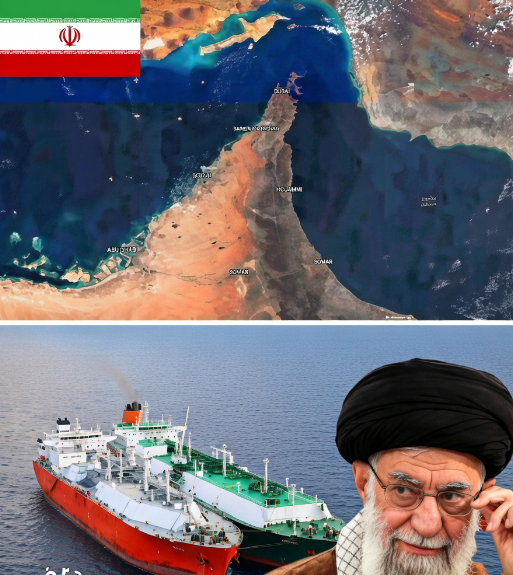
Tensions in the Middle East have intensified following reports that Iran’s parliament could move to close the Strait of Hormuz, one of the world’s most strategically important maritime chokepoints. At its narrowest point, the strait is only about 34 kilometers wide, yet it serves as a critical artery for global energy trade. Roughly 20–30 percent of the world’s oil shipments and nearly one-third of global liquefied natural gas supplies pass through this narrow waterway each day.
Iran’s renewed threat comes amid escalating tensions after reported U.S. strikes targeting Iranian nuclear facilities. Any attempt to block or disrupt traffic through the strait would have immediate and far-reaching consequences for the global economy. Energy markets are particularly vulnerable, as even limited disruptions could drive oil prices sharply higher and trigger volatility across international markets.
The potential impact is especially significant for countries heavily dependent on imported energy, including India. A closure or prolonged disruption could lead to soaring crude prices, which would likely translate into higher petrol and diesel costs domestically, increasing transportation expenses, airline fares, and broader household costs.
Global powers are closely monitoring the situation. The United States maintains a strong naval presence in the region to safeguard maritime routes, while other major economies—including China—have substantial stakes in ensuring the uninterrupted flow of energy supplies.
As geopolitical tensions rise, the fate of this narrow waterway could have wide-ranging implications for fuel prices, trade stability, and the global economy.