Sen. John Kennedy said he was “proud” of the Supreme Court of the United States following a ruling Friday that he argued could have significant implications for federal judicial authority. Kennedy suggested the decision was beneficial for the country, noting the strong dissent from Ketanji Brown Jackson.
Speaking on The Faulkner Focus with anchor Harris Faulkner, Kennedy praised the Court’s 6–3 decision in a case involving birthright citizenship. The ruling is among several recent Supreme Court decisions that have prompted criticism from some Democratic leaders and legal commentators.
The decision addressed lower court injunctions that had blocked executive actions issued during the administration of former President Donald Trump. According to Faulkner, the ruling could extend beyond the specific issue of birthright citizenship and may establish broader legal precedent affecting the authority of federal courts.
“So this has bigger implications than just that one topic of birthright citizenship,” Faulkner said during the interview. “Your reaction to this?”
Kennedy responded by criticizing the practice of universal injunctions, which allow federal judges to block government policies nationwide while legal challenges are pending.
“The Supreme Court has turned universal injunctions into fish food, as well it should have,” Kennedy said. “There’s no basis in statute, no basis in Supreme Court precedent, and no basis in English common law for universal injunctions.”
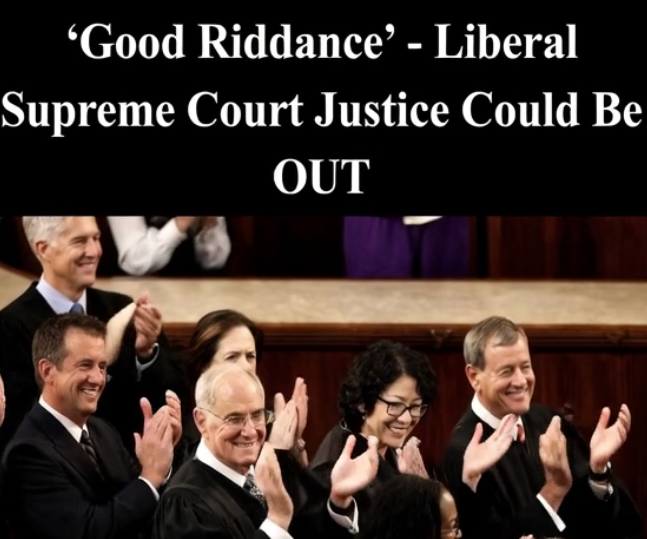
He argued that some judges have used such injunctions to halt policies they oppose politically. “Judges who simply dislike what Congress and a president—any president—have done have created these injunctions,” Kennedy said. “Good riddance. I’m proud of the Supreme Court.”
Kennedy also referenced the dissent written by Justice Jackson, which has drawn considerable attention in legal and political discussions following the decision. Her opinion raised concerns about the potential consequences of limiting the power of lower courts to issue nationwide injunctions, an issue that remains a point of debate among legal scholars and policymakers.