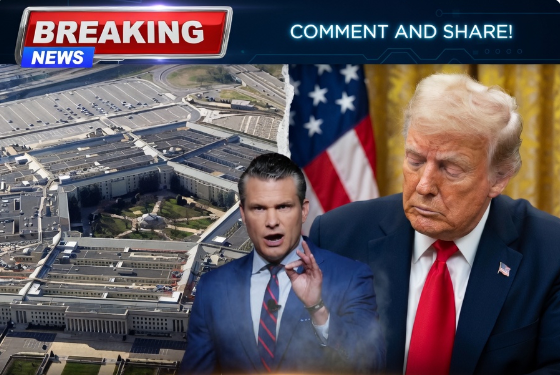
The Department of Defense is currently navigating a period of significant volatility as calls for the resignation of Secretary Pete Hegseth intensify. This movement, driven by a coalition of legislative and civil advocacy groups, marks a pivotal moment of friction for the administration’s defense strategy.
Critics are demanding a comprehensive audit of recent national security directives, alleging that the Secretary’s tenure has bypassed traditional ethical and legal protocols. Central to the controversy is the administration’s aggressive restructuring of the military command—a process opponents characterize as an institutional purge that undermines long-standing non-partisan norms.
Key areas of contention include:
-
Legal Oversight: Heightened demands for criminal investigations into management decisions and administrative conduct.
-
Operational Accountability: A push for full transparency regarding the “radical transformation” of the Armed Forces.
-
Institutional Stability: Growing concerns from Washington’s policy establishment regarding the long-term impact of these structural shifts.
As of early 2026, this impasse has evolved into a complex legal and political battlefield. The outcome of this oversight offensive will likely dictate the future of the Pentagon’s leadership and the broader stability of the administration’s national security apparatus.