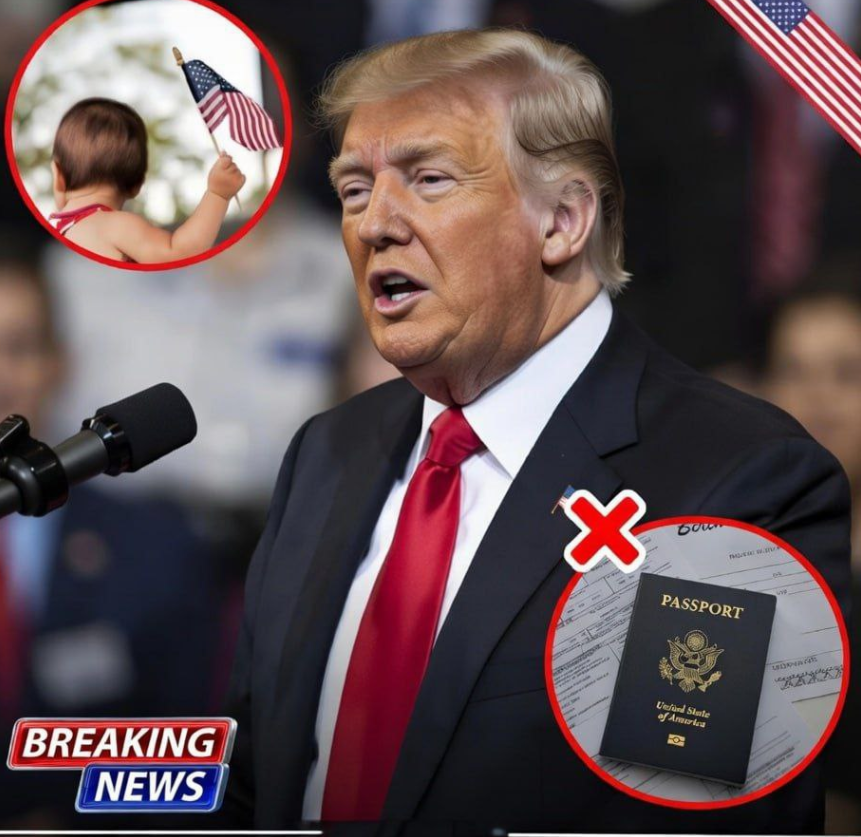
President Donald Trump’s proposal to terminate birthright citizenship for children born in the United States to undocumented parents has reignited a fundamental debate regarding immigration policy and constitutional law. At the heart of this discourse is the interpretation of the Fourteenth Amendment, which mandates that all persons born or naturalized in the U.S. and “subject to the jurisdiction thereof” are citizens.
For over a century, the prevailing legal consensus has been that the Fourteenth Amendment grants citizenship to nearly everyone born on American soil, irrespective of parental immigration status. This interpretation was solidified by the landmark Supreme Court ruling in United States v. Wong Kim Ark (1898), which affirmed that birth within the territory establishes citizenship under the Citizenship Clause.
Proponents of ending the practice argue that the current interpretation acts as a “pull factor,” incentivizing illegal immigration. They contend that the original intent of the “jurisdiction” clause has been misconstrued and that a policy shift would:
-
Bolster national sovereignty.
-
Prioritize lawful immigration pathways.
-
Modernize border enforcement strategies.
Conversely, critics and legal scholars warn that such a change would likely contradict established Supreme Court precedent and trigger protracted legal battles. Beyond the judicial hurdles, opponents highlight significant humanitarian risks, such as:
-
The potential for children to become stateless if they do not inherit citizenship from their parents’ home countries.
-
Complex administrative challenges regarding documentation and family stability.
Given its constitutional foundation, most experts agree that any meaningful alteration to birthright citizenship would necessitate a Constitutional Amendment or a definitive reversal by the Supreme Court. As the nation grapples with its identity and immigration framework, this issue remains a cornerstone of American legal and political discourse.