Citizenship: Exclusive Loyalty or Dual Identity?
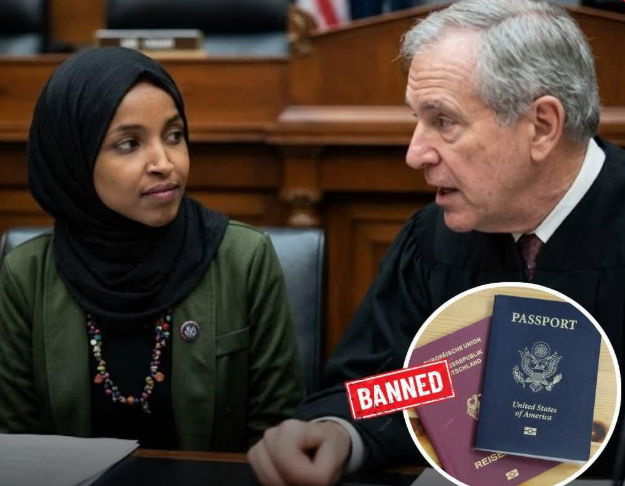
Headlines claiming the Supreme Court is preparing to ban dual citizenship have ignited intense debate, but the legal reality is more complex. The current controversy centers around proposed legislation such as the Exclusive Citizenship Act of 2025 and the Disqualifying Dual Loyalty Act, backed by lawmakers including Bernie Moreno. Supporters argue that holding public office—especially positions involving national security or classified information—requires singular allegiance to the United States. They frame the issue as one of sovereignty and security, insisting that divided citizenship could create potential conflicts of interest.
However, longstanding constitutional precedent stands firmly in the way of sweeping restrictions. In Afroyim v. Rusk, the Supreme Court ruled that the government cannot involuntarily strip a person of U.S. citizenship without their consent. That decision has been interpreted as strongly protecting Americans who hold dual nationality, reinforcing the idea that citizenship is a constitutional right—not a privilege easily revoked. Any attempt to mandate exclusive citizenship would likely face immediate judicial scrutiny and a high constitutional bar.
The debate also revisits historical foundations. The Naturalization Act of 1906, signed by Theodore Roosevelt, created uniform national standards for naturalization and required new citizens to formally renounce allegiance to foreign sovereigns. Yet over the decades, legal interpretation evolved, and dual citizenship became a practical reality for millions of Americans due to global migration and international law. Today, the question is not whether the 1906 oath exists—it does—but how it interacts with modern constitutional protections and global mobility.
At its core, the controversy asks whether citizenship represents an exclusive political contract or a legal status compatible with international ties. Proponents emphasize national security and undivided loyalty; critics warn against infringing constitutional rights and destabilizing millions of dual-status Americans. The Supreme Court, if presented with such legislation, would not be “banning” dual citizenship outright—but determining whether Congress can constitutionally redefine the terms of allegiance in the 21st century