The Quiet Power: Marco Rubio’s New Role and the Hidden Gate of Regulation
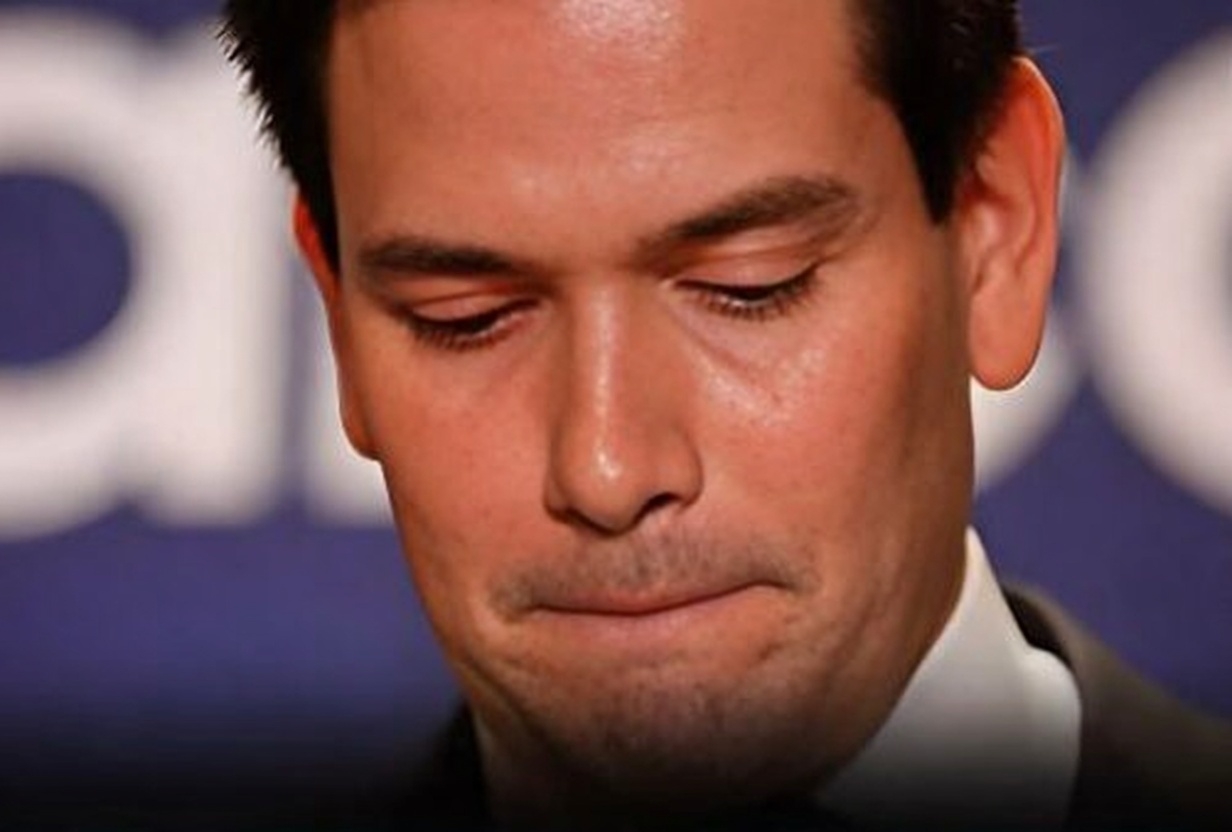
The elevation of Marco Rubio to control a powerful, rarely scrutinized regulatory office in Washington signals a subtle but consequential transfer of authority. This highlights how real power often operates silently, away from public debate. This office is the critical gatekeeper for regulatory proposals, determining which advance and which are quietly delayed, diluted, or buried before public awareness. Its authority is one of permission, not authorship.
Functioning as a choke point, this office impacts environmental, labor, consumer, and public health standards. While agencies develop regulations for years, this office can stall them indefinitely through extended review, revision requests, or unending internal cost-benefit analyses. These actions involve no public vote, hearing, or often explanation. For decades, its power operated under bureaucratic obscurity, rarely generating headlines, producing absence rather than visible action, making suppression hard to trace.
This dynamic now draws renewed attention due to frustration over government paralysis and institutional distrust. Scrutiny focuses on these hidden levers shaping policy without public participation, questioning their control and alignment with democratic principles. Supporters defend this gatekeeping as essential, viewing it as a necessary check on bureaucratic excess, preventing redundant rules and ensuring economic efficiency. They argue it promotes coherent, justified regulations.
Critics, however, see it differently. They argue concentrating such influence behind closed doors allows a small group to override Congress’s intent and agency expertise without accountability. When rules vanish into prolonged review, there’s no formal rejection to challenge or public explanation to debate; power is exercised through delay. This sharpens the tension between efficiency and transparency. In a polarized climate, neutral oversight is now often seen as a mechanism reshaping national policy without public consent.
Rubio’s role is significant for how the office will operate, given his comfort with populist rhetoric and institutional power. His leadership will be judged by process: whether reviews are time-bound, documented, consistently applied, and provide clear guidance. Transparency—publishing criteria, timelines, and rationales—could restore trust, showing oversight can coexist with accountability. The alternative means continued obscurity, quiet weakening of protections, and growing public cynicism. Rubio’s choices will determine if this hidden authority serves effective governance or contributes to democratic erosion, as the public increasingly recognizes decisive power operates quietly, noticed mainly by absence.