When Words Take Weight: Rubio’s Standoff Against Digital Outrage
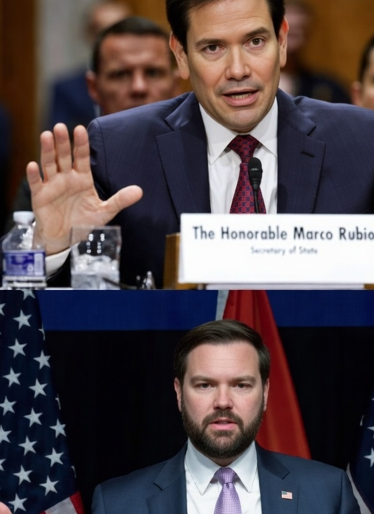
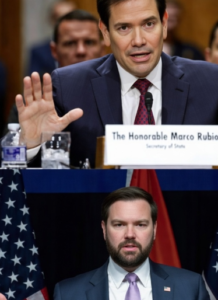
The digital battleground ignited recently following a post by JD Vance, labeling Marco Rubio “dangerous” and asserting he “needed to be silenced.” What might have been dismissed as another sharp-edged exchange quickly detonated across online platforms. Screenshots multiplied, timelines accelerated, and Vance’s words were weaponized in algorithmic cycles of outrage. Comment sections erupted with predictable fury as supporters rallied and critics sharpened their digital knives, amplified by political influencers seeking engagement. This initial online firestorm, far from a quiet drift into social media noise, set the stage for a moment that defied the usual script of modern political warfare.
Instead of the anticipated blistering rebuttal or counterattack, Marco Rubio adopted an unexpectedly analog approach. He appeared before reporters holding printed pages, calmly reading Vance’s exact words, line by line, without edits or commentary. This act shifted the atmosphere from spectacle to scrutiny, stripping the words of their digital context and making them feel heavier than they had appeared on glowing screens. Rubio framed the moment not as a personal attack, but as a broader question about free speech and accountability, asking whether suggesting someone “needed to be silenced” crosses a line from criticism into something more ominous.
The core statement that resonated was Rubio’s: “When we normalize the language of silencing, we invite the possibility of justifying it.” This sentence sparked immediate and deeply divided reactions across millions of screens. Supporters lauded Rubio’s composure and principled defense of open discourse, while critics accused him of calculated optics or theatrical moralizing. The incident fueled intense debate across media, dissecting whether Rubio’s move was strategic, sincere, or a rare example of restraint in a culture addicted to escalation. Vance’s supporters argued that strong language and hyperbole are necessary in modern rhetoric, not literal calls for suppression, while Rubio’s allies countered that words shape perception and have cumulative cultural impact.
The debate quickly transcended partisan politics, spilling into broader conversations about the ethics of digital communication and the boundaries of free speech. Academics and commentators questioned whether calls to silence opponents erode the democratic premise of argument itself. This confrontation exposed the thin line between rhetorical intensity and perceived authoritarian impulse, especially in a digital ecosystem that rewards extremes. Rubio’s quiet reading strategy temporarily disrupted this cycle, forcing audiences to grapple with unfiltered text and the emotional weight of words spoken aloud. The incident leaves a potent, unresolved question: how do we defend vigorous debate without drifting toward a culture that normalizes silencing dissent? This moment continues to circulate, proving that in the digital age, sometimes the most powerful response to a call for silence is simply to read the words aloud and let the nation decide.