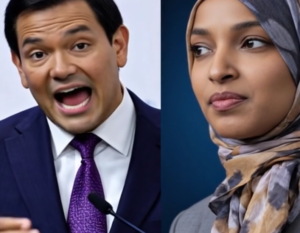
Omar Wealth Scrutiny Sparks National Political Firestorm
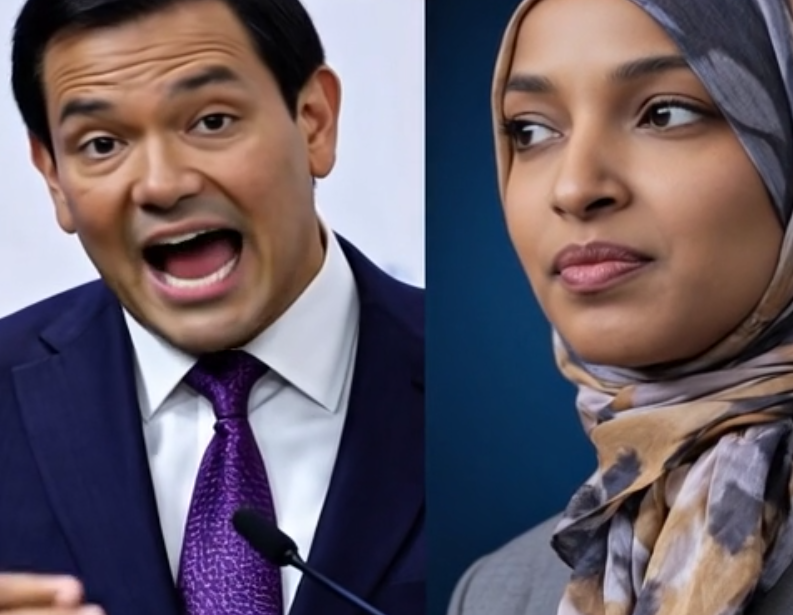
A recent federal judge’s rejection of an emergency attempt to halt scrutiny regarding the rapidly rising wealth of Representative Ilhan Omar has sent political shockwaves through Washington. This swift decision has ignited a fierce debate across the United States, with analysts scrambling to assess its implications. News of the ruling instantly became a social media firestorm, dividing opinion between those seeing it as a crucial step for accountability among powerful politicians and others fearing it signifies another politically weaponized investigation.
Questions about Omar’s finances, particularly linked to her husband’s businesses, intensified after financial disclosures indicated a significant wealth increase, estimated from several million to $30 million. Critics demand transparency, asserting that such a leap requires thorough investigation into how political leaders accumulate wealth while in office. Conversely, Omar’s supporters counter that business investments often fluctuate and view the scrutiny as part of a long-standing pattern of political targeting against one of the most visible progressive lawmakers challenging Washington’s traditional power structure.
This clash of narratives has propelled the story into an explosive online spectacle. Platforms like X, Facebook, TikTok, and YouTube were flooded with millions of posts, with commentators labeling the event everything from a “historic corruption crackdown” to a “dangerous political witch hunt.” While investigations into politicians’ finances are not unusual, the confluence with intense partisan politics has transformed this into a national event where nuance is quickly lost. Political strategists on both sides are leveraging every statement and accusation, further fueling the viral narrative.
Behind the public fray, congressional committees and federal investigators are reportedly examining financial disclosures and business ties connected to Omar’s household. Some lawmakers believe the pace of wealth growth raises legitimate questions, while others caution that financial disclosures often present estimated ranges, potentially exaggerating the underlying reality. The controversy has spilled beyond Washington, illustrating how modern political issues become cultural battles fought across every corner of the internet. This situation underscores a deeper crisis of trust in American institutions, where public skepticism toward government investigations and beliefs about widespread political corruption collide, turning every inquiry into a polarized battlefield.
The future of the Omar controversy remains uncertain. Should new investigative findings or subpoenas emerge, the debate will likely intensify dramatically. Conversely, if the investigation wanes or yields little evidence, critics will undoubtedly frame the entire episode as politically motivated. Either outcome is poised to deepen the existing political divide rather than foster resolution. This investigation is shaping up to be a long-running saga, capturing national attention beyond typical political followers and generating intense cross-ideological arguments, further shaking the foundations of trust in Washington.