The United States, under President Donald Trump, has intensified pressure on Cuba by enforcing what analysts describe as an energy “quarantine” aimed at weakening the island’s communist government. The policy focuses on restricting fuel supplies to Cuba, a country that relies heavily on imported oil to power its economy, transportation, and basic services. By limiting access to fuel, the U.S. hopes to force political and economic changes in Havana.
The impact of the fuel blockade is severe for Cuba’s population of about 10 million people. The country was already struggling with a long-standing economic crisis, but the new restrictions have worsened shortages of food, medicine, and essential services. Limited fuel supplies have disrupted electricity generation, causing frequent blackouts and making it harder to pump clean water and operate hospitals. As a result, daily life has become increasingly difficult for ordinary Cubans.
Experts say the pressure on the Cuban government is growing as the crisis deepens. According to Sebastián Arcos of the Cuban Research Institute at Florida International University, the country is facing multiple health and social problems while the government increases repression to maintain control. He believes the regime has survived previous crises but may find it harder to withstand the current situation.
President Trump has suggested that the United States might pursue what he called a “friendly takeover” of Cuba, possibly following a strategy similar to the approach used in Venezuela. That approach would encourage internal changes in leadership while keeping parts of the existing political structure intact.
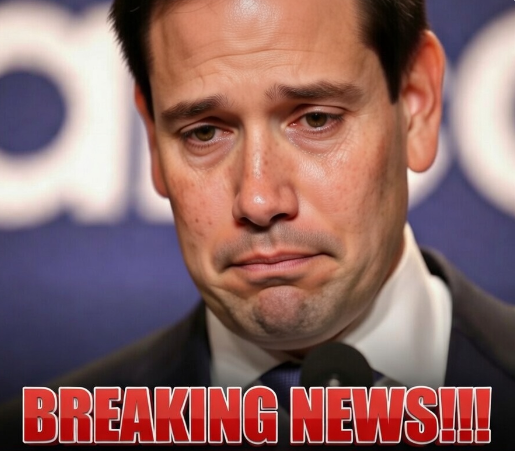
Secretary of State Marco Rubio is reportedly leading the administration’s strategy and has signaled that the United States does not necessarily demand immediate regime change. Instead, he said Cuba needs gradual transformation. At the same time, the situation is unfolding alongside broader international tensions, including military actions involving the United States, Israel, and Iran, highlighting the complex global context surrounding the crisis.