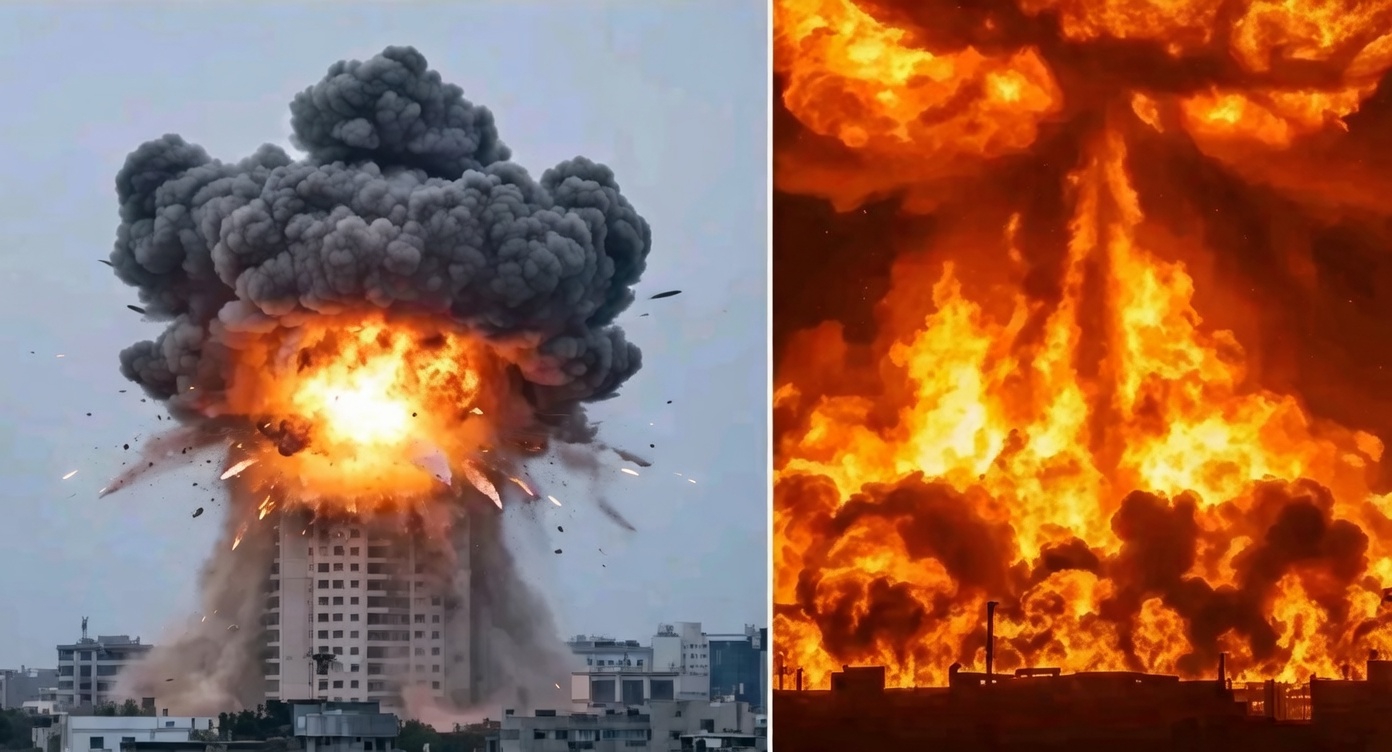
A sudden warning alert appeared across phones, radios, and television screens, interrupting daily routines with an unmistakable sense of urgency. Conversations paused and ordinary moments were disrupted as the message spread quickly across communities. Although authorities described the alert as “precautionary,” its tone conveyed a seriousness that immediately captured public attention.
From border regions to major cities and quiet suburban neighborhoods, people stopped to consider the meaning behind the notification. For many, it was more than a routine advisory. The message suggested that concerns long discussed in diplomatic and security circles might be moving closer to everyday reality.
Government officials encouraged the public to remain calm and stay informed. However, the response from citizens reflected a deeper layer of anxiety. Many observers felt that the circumstances prompting the alert had been developing for years, influenced by unresolved conflicts, shifting alliances, and increasing geopolitical tension.
The incident also highlighted how deeply interconnected the modern world has become. Conflicts that once seemed geographically distant now influence daily life through economic disruptions, political uncertainty, and the rapid spread of information across digital networks. As a result, international disputes can quickly shape public sentiment far beyond the regions directly involved.
What was once perceived as abstract geopolitical maneuvering has increasingly become personal for many people. Long-standing rivalries and unresolved grievances have placed additional pressure on global stability, raising concerns that even small miscalculations could have significant consequences.
At the same time, the warning served as a reminder of the importance of restraint and diplomacy. Behind the carefully measured statements from officials was an implicit call for caution and thoughtful decision-making among world leaders.
Ultimately, the moment created an opportunity for reflection. It underscored the fragility of international stability and the need for continued dialogue. If diplomacy prevails, the alert may be remembered not as the beginning of a crisis, but as a moment that encouraged renewed commitment to preserving peace.