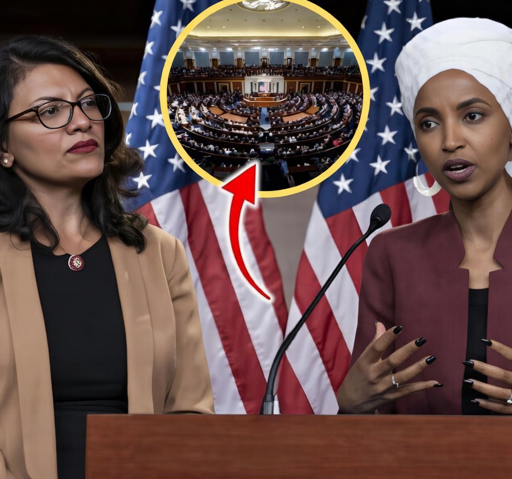
The United States Constitution establishes distinct eligibility mandates for the executive and legislative branches, reflecting the Framers’ varying priorities regarding age, residency, and citizenship.
Current Constitutional Framework
Under Article II, the presidency is reserved for natural-born citizens who are at least 35 years old and have maintained 14 years of domestic residency—a provision originally designed to mitigate foreign influence. Conversely, Article I permits naturalized citizens to serve in Congress. House members must be 25 years old with seven years of citizenship, while Senators must be 30 years old with nine years of citizenship.
The Debate on Uniformity
Proponents of standardized eligibility argue that extending the “natural-born” requirement to Congress would bolster national sovereignty and ensure undivided allegiance within the federal government. However, critics and legal scholars contend that such a change would undermine the legal standing of naturalized citizens, who already undergo a rigorous oath of allegiance. Current legislators, such as Representatives Ilhan Omar and Pramila Jayapal, exemplify the established participation of naturalized citizens in federal governance.
Procedural Hurdles
Altering these standards would necessitate a Constitutional Amendment. This process requires a two-thirds majority in both chambers of Congress and ratification by three-quarters of the states, ensuring that any shift in eligibility reflects a profound national consensus.