Analysis of the 2016 Iran Settlement and U.S. Strategic Shift
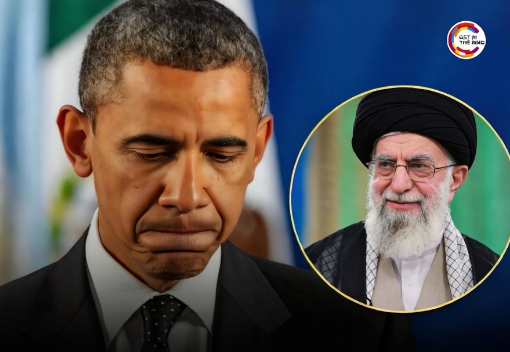
The 2016 settlement involving a $1.7 billion payment to the Islamic Republic of Iran remains a pivotal case study in executive accountability and the complexities of international arbitration. While often framed through a partisan lens, the transaction underscores a fundamental divide in U.S. grand strategy regarding adversarial states.
The Mechanism of the Settlement
The payment originated from a dispute adjudicated by the Iran–U.S. Claims Tribunal at The Hague. This legal body was established to resolve claims following the 1979 Iranian Revolution. The specific case involved a pre-revolutionary trust fund used by Iran to purchase military hardware; after the Shah’s fall, the equipment was never delivered, yet the $400 million principal remained in U.S. possession.
In January 2016, the Obama administration settled the claim for the $400 million principal plus $1.3 billion in accrued interest. Due to ongoing primary sanctions prohibiting dollar-clearing transactions with Iran, the funds were airlifted in non-U.S. hard currency.
The Ransom Controversy and Policy Defense
The settlement’s timing coincided with the implementation of the Joint Comprehensive Plan of Action (JCPOA) and the release of several detained Americans. This synchronicity led critics to characterize the payment as a “ransom,” arguing it established a dangerous precedent that incentivized hostage-taking and projected geopolitical weakness.
Conversely, the administration defended the move as a pragmatic legal victory. Officials asserted that:
-
The negotiations were conducted on separate tracks.
-
The settlement avoided a potentially more expensive judgment by the Tribunal.
-
The funds were legally Iranian property, not a discretionary subsidy.
Shift Toward “Maximum Pressure”
The strategic landscape shifted significantly under the Trump administration, which replaced diplomatic engagement with a “maximum pressure” campaign. This involved withdrawing from the JCPOA, re-imposing secondary sanctions, and the 2020 targeted strike on General Qasem Soleimani. This approach prioritized kinetic and economic deterrence over negotiated settlements, reflecting a conviction that financial concessions provide adversaries with unearned leverage.
Ultimately, the $1.7 billion payment serves as a focal point for the broader debate: whether stability is best achieved through the rigid enforcement of international legal norms or through the projection of uncompromising power.